
Every generation seems to get its own Talented Mr. Ripley – sometimes even a few of them. Alex Russell’s directorial debut, Lurker, isn’t a derivative exercise, but the echoes of Ripley or even something like Ingrid Goes West are undeniable. The film follows Matthew (Théodore Pellerin) who meets Oliver (Archie Madekwe), a musician on the verge of stardom. After getting an invite to one of Oliver’s concerts after an interaction at Matthew’s job based on shared musical tastes, Matthew finds himself infiltrating Oliver’s inner circle. As his relationship with Oliver grows,
What sets Lurker apart from films like Ingrid Goes West or The Talented Mr. Ripley is the way it treats parasocial scheming and calculated deceit not as aberrations, but as a disturbingly normalized route to success; positioned almost like any other skill or credential in today’s cultural landscape. In my opinion, familiarity isn’t a flaw when a film offers a compelling angle and entry point on its themes, and Lurker does so tenfold. Much of that impact comes from Alex Russell’s intoxicating direction, which balances sleek style with an uncomfortably intimate perspective, heightening the film’s unsettling pull.
The cinematography from the ever-reliable Patrick Scola soars, crafting a sleek yet intimate worldview for these characters that manages to be as glamorous and cool as it is grainy and grimy. Equally impressive is the synthetic, unsettling score by Kenneth Blume (formally Kenny Beats), whose pulsing textures perfectly underline the film’s shifting moods of Matthew. Together with Russell’s assured direction, these elements coalesce into something special.
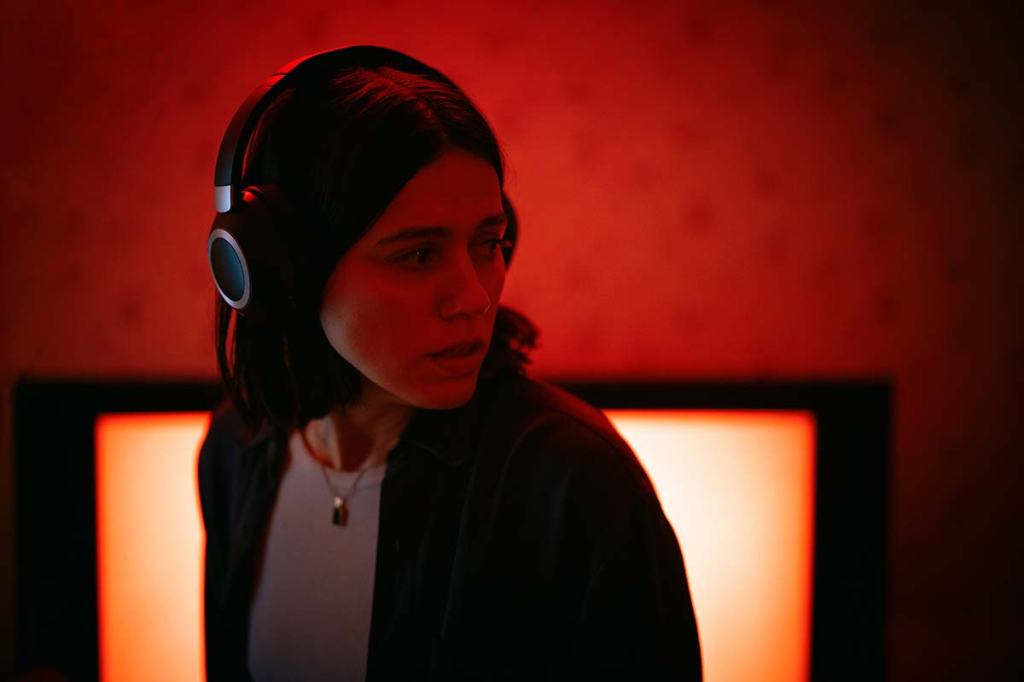
With a story told through the eyes of a deeply troubled “protagonist,” it’s essential that the central performance is both commanding and layered, and Théodore Pellerin delivers a pretty remarkable performance here as Matthew. He navigates the fine line between enigmatic, unsettling, and fiercely determined with ease, shifting seamlessly between the polished facade he presents in social interactions and the darker, more manipulative self revealed behind closed doors. The result is a performance that’s not only compelling but genuinely haunting, anchoring the film with a nice sense of unpredictability that lingers long after each scene.
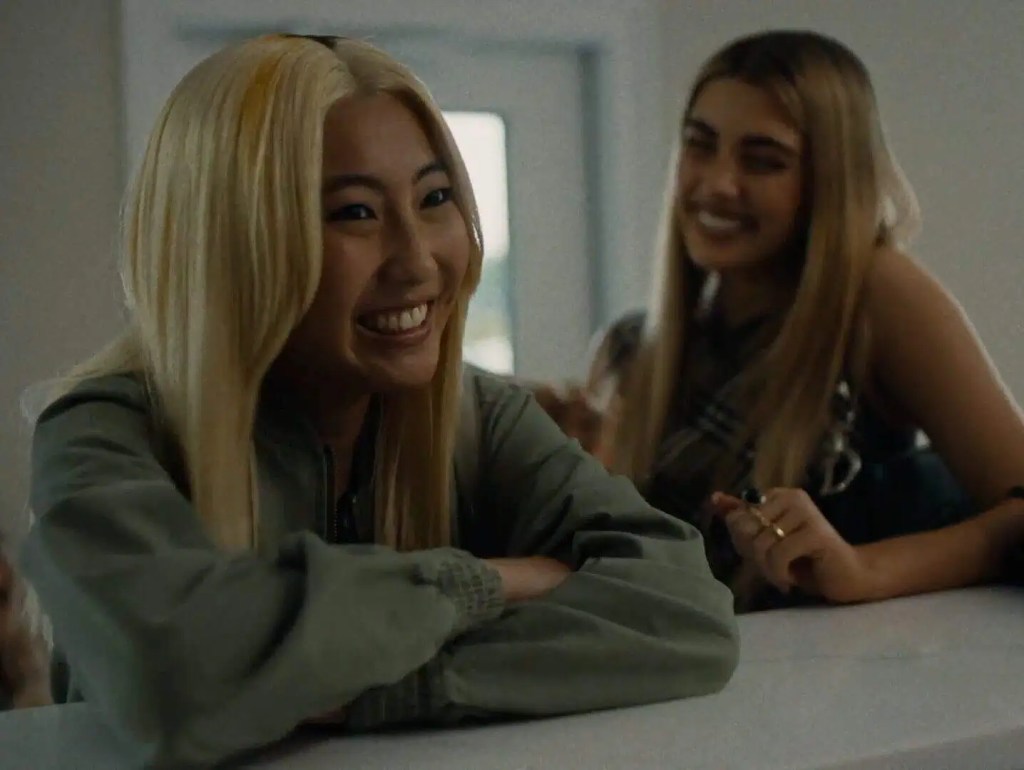
Pellerin’s chemistry with Archie Madekwe’s Oliver is superb, anchored by a push-pull power dynamic that only grows more compelling as the film builds toward its final act. Madekwe, meanwhile, delivers a strong turn in his own right, walking the line between enigmatic individual and rising artist carefully curating a public persona. The supporting cast also leaves a strong impression, with standouts like Zack Fox, Havana Rose Liu, and Sunny Suljic that complements the film nicely.
Though Lurker occasionally hits some familiar beats, it more than delivers as a psychological thriller, weaving in a harrowing cautionary tale about perception; the facades we construct in the digital age and the ways they inevitably shape the art we make. As debuts go, it’s among the most assured and striking I’ve seen in some time, and by its chilling finale, Lurker firmly establishes itself as one of the year’s standout films.

 Films for Breakfast
Leave a comment